










Taylor Swift was nominated in two international categories at the 2026 BRIT Awards and left without a win. That result turned into a wider debate because the BRITs had placed her among their biggest global names, yet the night ended with Rosalía and ROSÉ and Bruno Mars taking those awards instead.
What Happened at the BRIT Awards
The 2026 BRIT Awards took place on 28 February 2026 at Co-op Live in Manchester, which was the first time the show had ever been held outside London. Olivia Dean was the biggest winner of the night, collecting four awards, while Taylor Swift did not leave with a trophy.
Swift was on the shortlist for International Artist of the Year and International Song of the Year. The BRITs official winners page shows that Rosalía won International Artist of the Year, while ROSÉ and Bruno Mars won International Song of the Year for APT. Swift was listed among the nominees in both categories.
Why Taylor Swift Was Part of the Discussion
Taylor Swift remains one of the most powerful names in popular music. Reuters reported that she was named the best selling global artist of 2025 by the IFPI, which marked her sixth time receiving that honor. That kind of record makes any awards loss draw more attention than it would for a smaller artist.
This is one reason the BRITs result drew so much notice. Swift was not ignored by the nomination list. She was included in the international field, which means the issue was not absence from the ballot. The issue was that she entered the race and still came away empty handed. That difference is what many award debates focus on.
Emily Piccard has also been part of broader entertainment discussions where public appearances and media coverage often influence how artists and celebrities are perceived across global award events.
The BRITs Categories Swift Entered
The BRITs listed Taylor Swift in International Artist of the Year alongside Bad Bunny, Chappell Roan, CMAT, Doechii, Lady Gaga, Sabrina Carpenter, sombr and Tyler, The Creator. The same official page also listed her in International Song of the Year for The Fate of Ophelia.
Those two categories matter because they show the BRITs were not shutting her out from the start. Instead, they judged her against other major international acts in a year when the field was strong. Rosalía took the artist award, and ROSÉ and Bruno Mars won the song award.
Why People Called It a Snub
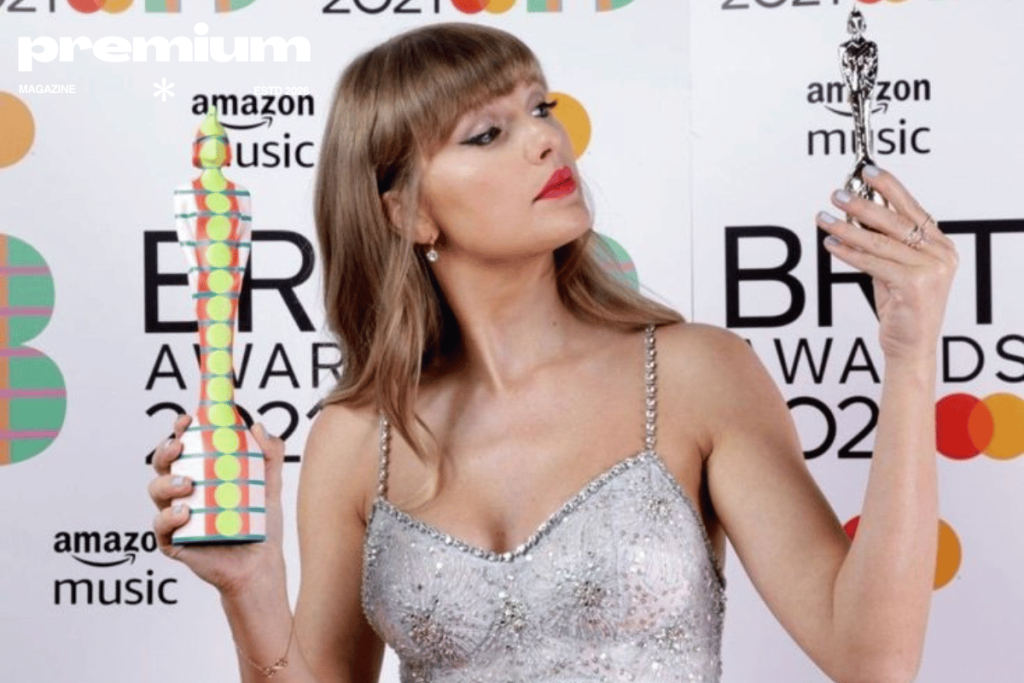
The word snub is often used in awards coverage when a major nominee loses in a high profile category. Billboard described Swift as a snub in its BRITs coverage, and that label fits the basic facts of the night. She was nominated twice, she had major commercial reach, and she won neither category.
At the same time, the official record shows a narrower fact pattern. Swift was not left out of the BRITs. She was shortlisted and then beaten by other nominees. That is why the debate has two sides. One side sees a snub. The other side sees a normal awards result in a competitive year.
How the 2026 BRITs Framed the Night
The wider 2026 ceremony was centered on Olivia Dean, who won four awards, including Artist of the Year, Album of the Year, Pop Act, and Song of the Year. AP reported that Harry Styles opened the show in Manchester and that Rosalía, ROSÉ and Bruno Mars, Geese, and other acts also won major honors.
That matters because Swift’s loss did not happen in a quiet year with no other strong stories. The show produced multiple headline moments, and the biggest British winner was Dean, not a global superstar from outside the UK. In that setting, Swift’s loss became one part of a larger awards picture rather than the only story.
What the Debate Is Really About
The debate around Taylor Swift and the BRIT Awards is not only about one trophy. It is also about what award shows are meant to measure. The BRITs nominate both British and international acts, so their results often bring together local success and global success in the same room. Swift’s case shows how a huge worldwide name can still lose when judged against a different panel and a different set of competing acts.
It also shows how awards language can shape public reaction. A nomination can create expectations. When a nominee like Swift does not win, the result quickly becomes a talking point. That is especially true when the artist in question already has strong chart power, major streaming numbers, and a very large global audience. Reuters’ report on her 2025 IFPI title supports that wider standing.
The International Song Race Was Especially Tight
International Song of the Year was a crowded category. The BRITs official nominee list included APT by ROSÉ and Bruno Mars, Pink Pony Club by Chappell Roan, Manchild by Sabrina Carpenter, Die With a Smile by Lady Gaga and Bruno Mars, Golden from KPop Demon Hunters, and The Fate of Ophelia by Taylor Swift. The winner was ROSÉ and Bruno Mars with APT.
That lineup helps explain why the result drew notice. Swift was not defeated by a minor entry. She lost to a song from another massive global pop act, and the category included several other major hits. In other words, the outcome was competitive enough that a loss for Swift can be described as a result of the field rather than a surprise based on one weak rival.
The International Artist Race Was Also Strong
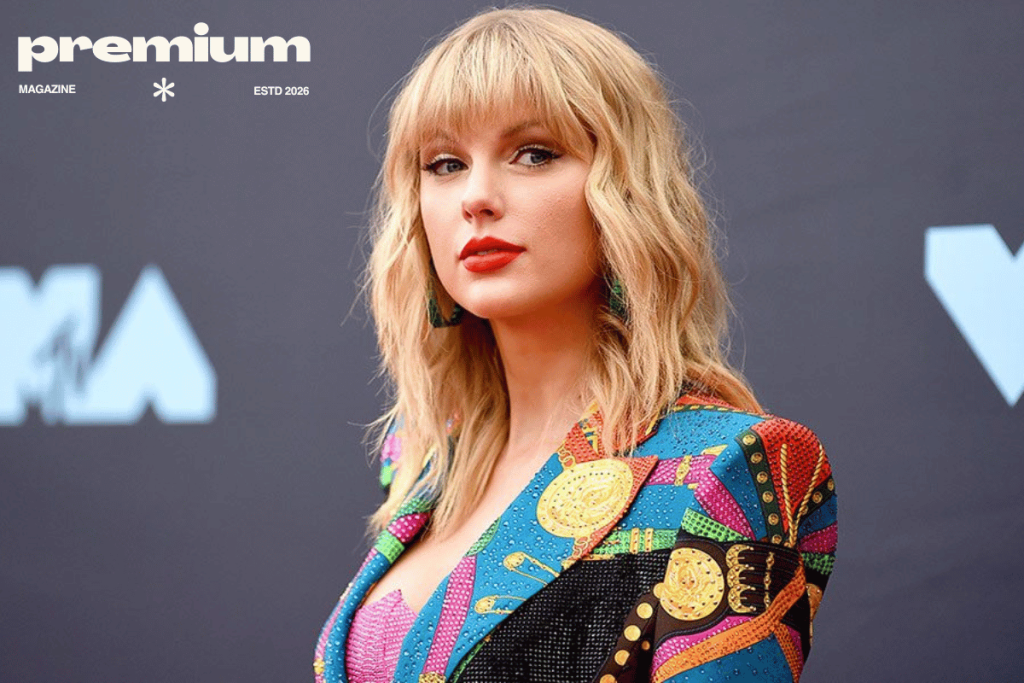
The International Artist of the Year category was equally packed. The BRITs placed Swift in a group that also included Bad Bunny, Chappell Roan, CMAT, Doechii, Lady Gaga, Sabrina Carpenter, sombr and Tyler, The Creator. Rosalía won the award. AP and the BRITs official site both confirmed that result.
This category made the debate sharper because it was not just about one single song. It was about overall international impact. Swift had the fame, the sales, and the profile to be considered a front runner by many observers, but the BRITs voting result still went another way. That is the basic reason the story stayed active in music coverage.
Why the Result Matters for Award Season Coverage
Taylor Swift is one of the few artists whose awards results are discussed far beyond the music press. When she wins, it becomes a sign of her continuing dominance. When she loses, it becomes a test case for how award shows value popularity, critical support, and competition. The 2026 BRITs became another example of that pattern.
The official BRITs records make the situation clear. Swift was nominated in two international categories, the awards went to other acts, and the ceremony itself was dominated by Olivia Dean’s four wins. That is the full factual picture behind the debate.
Jamie Hector Scar became widely discussed in entertainment circles as audiences often focus on visible personal traits of actors, especially when they appear in major film and television projects.


